
Instrument Rating Los Angeles: Earn FAA IFR Skills in 2026

Published by:
Ari Hovnanyan
Published on:
Updated on:
Read time:
8 min read
If you fly VFR in Los Angeles, you already know the feeling. The airplane is ready. Your route is planned. Then the marine layer rolls across the basin, and a simple flight becomes a no-go decision.
That is where an instrument rating in Los Angeles starts to matter. It does not make every weather day safe. It does not remove judgment from the cockpit. But it does give you the training to fly by reference to instruments under IFR when you, the aircraft, the weather, and the rules support the flight.
At ActivePILOT Flight Academy in Van Nuys, we train instrument students in a Garmin-equipped PA-28 fleet with free X-Plane simulator access for active students. The goal is simple: help you build the scan, checklist discipline, radio confidence, and cockpit flow you need before the workload gets high.
If you are comparing schools, aircraft, and cost, start with our Instrument Rating program. Then use this guide to understand how the training works and why the right environment can save you from wasting hours.
Your Instrument Rating Turns Weather From A Wall Into A Decision
An instrument rating is a rating added to your pilot certificate. Many pilots search for an instrument rating license, but the FAA language is “rating.” In practical terms, it trains you to control the airplane without outside visual reference, fly IFR clearances, navigate with instruments, and fly instrument approaches.
That matters in Southern California because VFR-only flying can be fragile. A marine layer near the coast, low visibility, or an overcast deck can stop a trip even when the airplane and pilot are otherwise ready.
With instrument training, you learn how to:
- Hold altitude and heading by instrument reference.
- Brief and fly instrument approaches.
- Manage Garmin avionics without getting behind the airplane.
- Talk with ATC while flying a procedure.
- Decide when IFR flight is smart and when staying on the ground is the better call.
The last point matters. Your rating gives you more options, not permission to force a bad flight. That is why our Van Nuys training environment is useful. You practice around real traffic, real radio work, and real Los Angeles airspace instead of learning procedures in isolation.
Cost Control Starts Before You Start The Engine
Instrument training is not just about flying more hours. It is about making each aircraft hour count.
Our Instrument Rating program lists a $16,078 to $17,350 investment and a 2 to 3 month timeline for students who can train consistently. The program includes 50 hours of flight time, ground training, online video study, and simulator practice.
The cost problem is clear: if you use the airplane to learn every flow from scratch, the bill rises fast. That is why active students at ActivePILOT get free access to our X-Plane simulator. It is a basic, non-FAA-approved simulator with PilotEdge capability, so it is not a replacement for required aircraft training. It is a practice tool.
Used well, it helps you rehearse:
- Clearance copying and readbacks.
- Before-approach and missed-approach flows.
- Garmin setup steps.
- Holding entries.
- Pitch, power, trim, and scan habits.
- Radio work through PilotEdge.
That is how you make a so-called cheap instrument rating search more useful. The goal is not to find the lowest-quality training. The goal is to control waste. Free simulator repetition helps you show up to aircraft lessons with a cleaner flow and fewer surprises.
You can also review our simulator training support before you enroll, especially if you know cockpit workload is one of your biggest concerns.
Garmin Glass Cockpit Training Builds The Habits You Will Use Later
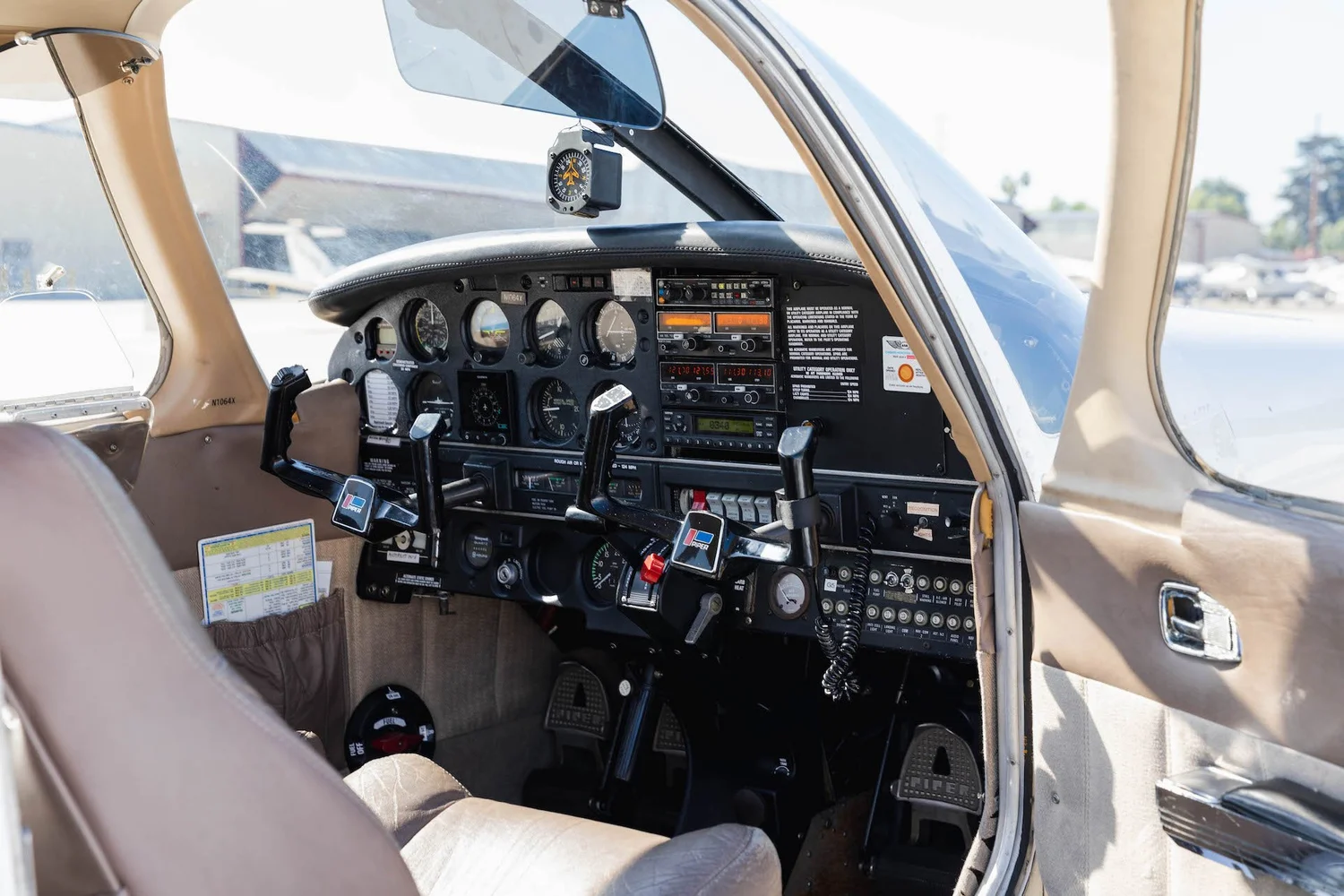
Moving from analog gauges to glass cockpit avionics can feel like a lot at first. The screen gives you more information, but more information is only helpful when you know what to look at, what to touch, and what to leave alone.
That is why fleet standardization matters. Our PA-28 training aircraft give you repeated exposure to Garmin tools instead of forcing you to learn a new cockpit every lesson.
| Aircraft | Avionics You Will Train Around | Why It Helps |
|---|---|---|
| TAA Piper Warrior N40057 | Dual Garmin GI-275 displays, Garmin GNX 375 GPS, GFC 500 autopilot | Builds glass-panel scan, GPS procedure setup, and autopilot awareness. |
| Piper Warrior N41380 | Dual Garmin G5 displays and Garmin G650 GPS | Gives you repeated IFR scan and GPS workflow practice. |
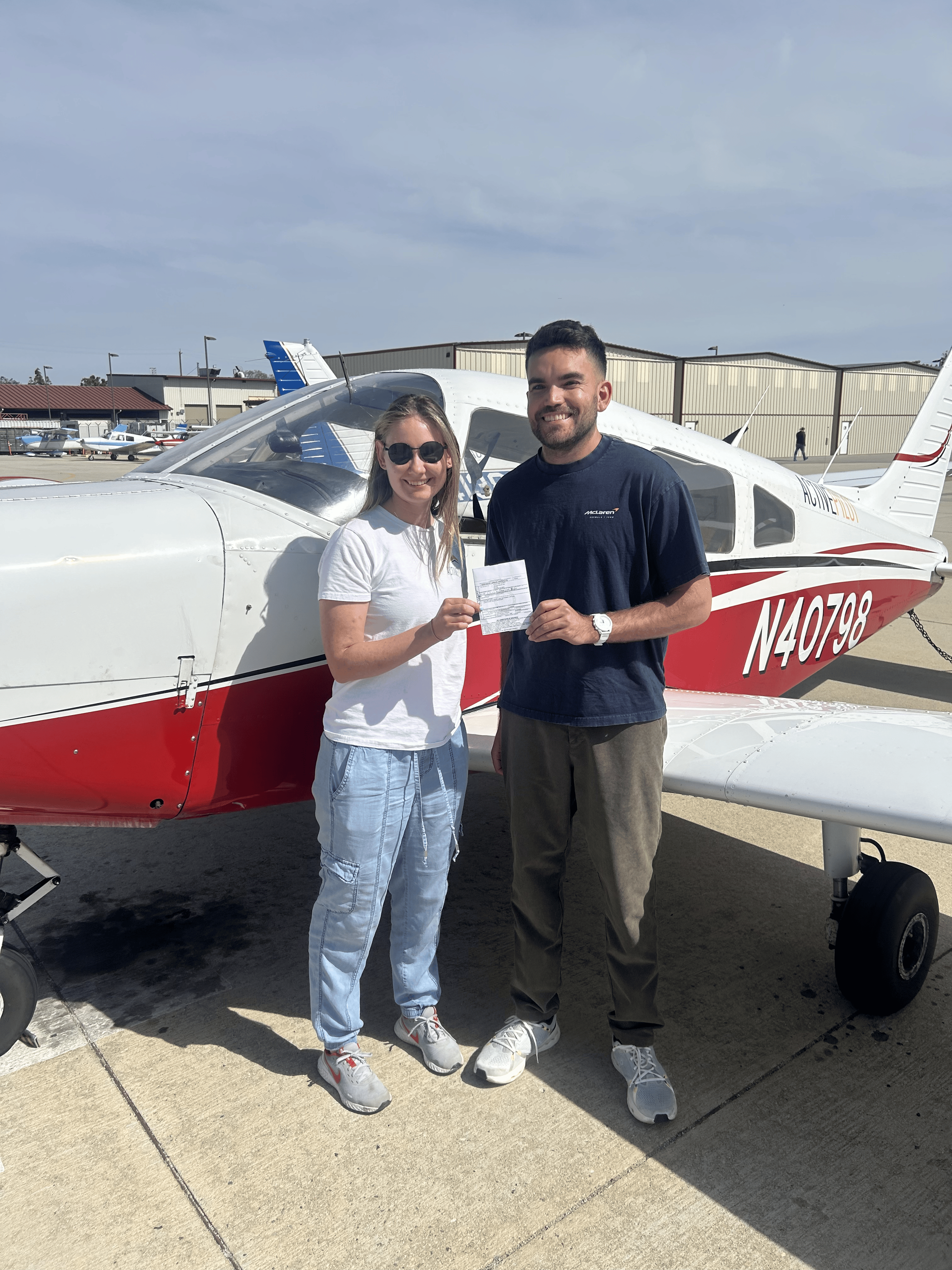
| Piper Warrior N40798 | Garmin G5 display and Garmin G375 GPS with ADS-B in/out | Supports IFR and VFR training with modern situational awareness. |
This is also useful if you are looking for glass cockpit aircraft rental after you earn the rating. You are not just passing a checkride in a one-off airplane. You are building comfort in aircraft you can keep flying through our aircraft rental options.
The avionics are not the point by themselves. The point is what they let you practice: approach setup, cross-checking, automation management, and staying ahead of the airplane.
The Real Skill Is Staying Organized When Workload Rises
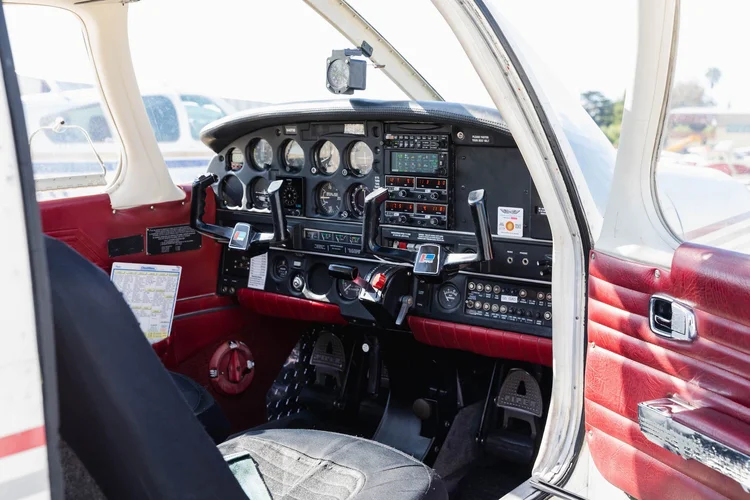
Instrument flying feels hard because the cockpit asks for many things at once. You are flying the airplane, listening to ATC, programming avionics, briefing the approach, checking weather, and staying ahead of the next clearance.
Our job is to turn that workload into a repeatable system.
In training, you build habits around:
- Scan: Your eyes move with purpose instead of chasing one instrument.
- Flow: You know the next cockpit step before you need it.
- Checklist discipline: You verify instead of relying on memory alone.
- Briefing: You know the approach, missed approach, frequencies, and altitudes before they matter.
- Radio confidence: You copy clearances and respond without letting aircraft control slip.
That structure is useful for private pilots who want more reliable travel. It is also useful for career-track students moving into Stage 2 after private pilot training. If your long-term goal includes commercial training or airline preparation, instrument discipline becomes the foundation for everything that follows.
Checkride Delays Can Cost More Than Time
One hidden cost in instrument training is the gap between being ready and actually taking the checkride.
If a pilot waits too long after becoming proficient, skills fade. Then extra flights may be needed just to stay sharp. That can add cost, stress, and doubt at the worst possible time.
At ActivePILOT, our long-standing relationships with three Designated Pilot Examiners often help qualified students schedule checkrides in about one month. That is not a guaranteed date, and your instructor will recommend you only when you meet the requirements and are ready. But it does mean checkride planning is part of the training system, not an afterthought.
Momentum has real value in instrument training. When you combine consistent flying, simulator repetition, and clear checkride planning, you spend more time progressing and less time re-learning the same procedures.
If you are still comparing schools, ask how the training plan handles the final 30 days before the practical test. That answer tells you a lot about whether the program is built for completion or just for scheduling lessons.
How To Start Your Instrument Rating At ActivePILOT
The first step is not buying every book or trying to master the panel at home. The first step is making sure your goal, schedule, and budget match the right training plan.
Here is the clean path:
- Review the Instrument Rating program and confirm the requirements.
- Look at simulator access so you understand how ground repetition supports flight lessons.
- Review aircraft rental options if you want to keep flying Garmin-equipped aircraft after the rating.
- Check financing options if spreading the investment out would help you train consistently.
- Use the request information form to talk through your timeline.
We operate on a pay-as-you-go model, so you are not forced into a large advance deposit before you know the rhythm of training. Financing partners are also available through Stratus Financial, AOPA Financing, and Columbia Bank for students who want to compare options.
For instrument students, consistency is the real advantage. Flying once, waiting three weeks, then trying to rebuild your scan is hard. Flying with a plan, practicing flows in the simulator, and staying close to the airplane between lessons gives you a better chance to make steady progress.
FAQ: Instrument Rating In Los Angeles
How long does an instrument rating take at ActivePILOT?
Our Instrument Rating program is listed at 2 to 3 months for students who can train consistently. Your actual timeline depends on schedule, preparation, weather, aircraft availability, and readiness for the practical test.
Is an instrument rating a license?
Pilots often say instrument rating license, but the FAA term is instrument rating. It is added to a pilot certificate and allows a properly qualified pilot to fly under IFR when the rules, aircraft equipment, currency, and weather decision-making support the flight.
Can simulator practice lower my instrument training cost?
Simulator practice can help you reduce wasted repetition in the airplane because you can rehearse flows, radio work, and procedures on the ground. ActivePILOT gives active students free access to a basic, non-FAA-approved X-Plane simulator with PilotEdge capability.
Do I need a glass cockpit for instrument training?
No, but a Garmin-equipped aircraft can help you build skills that match modern flying. At ActivePILOT, our PA-28 fleet includes Garmin GI-275, G5, GNX 375, GFC 500, and GPS-equipped aircraft that support instrument training and later rental.
Is ActivePILOT the cheapest instrument rating option in Los Angeles?
We do not position instrument training as cheap. We focus on cost control through transparent pricing, pay-as-you-go training, free simulator access for active students, and a structured plan that helps each aircraft hour matter.
Can I rent glass cockpit aircraft after earning my rating?
Yes, qualified pilots can review our glass cockpit aircraft rental options and complete the required checkout process. Availability, aircraft choice, and checkout requirements depend on your experience and current school procedures.
Build IFR Confidence Before The Next Marine Layer
An instrument rating gives you more than another line in your logbook. It gives you a way to think, brief, scan, decide, and fly when visual reference is no longer enough.
If Los Angeles weather keeps interrupting your flying, or if you are ready for the next serious step after your private pilot certificate, start with a structured IFR plan.
Review the ActivePILOT Instrument Rating program, then request information so we can help you map your schedule, aircraft, simulator practice, and checkride path.


.B93hxYof_19tRkW.webp)