
How to Prepare for Your Multi-Engine Add-On Before Day One: 2026 Checklist

Published by:
Ari Hovnanyan
Published on:
Updated on:
Read time:
7 min read
You are standing on the ramp at Van Nuys next to a twin-engine airplane, and your preparation list is half finished. That is an expensive place to be. Every hour you spend catching up on systems or paperwork is an hour you are paying for aircraft time without moving toward the checkride.
The fix is simple, and it starts before day one. This checklist walks you through what to do before your multi-engine add-on begins, so the flying hours go to flying.
Confirm You Meet the Requirements Before You Book
Start with the basics. To begin the multi-engine add-on, you need to hold at least a private pilot certificate. You also need the required endorsements from an authorized instructor before the checkride, and you will take and pass a practical test with an FAA examiner at the end.
There is no FAA written exam for this add-on rating, which lets you skip a lot of study that other ratings require. Our multi-engine rating program walks through each requirement so you can compare them against your own certificate.
If you are a few months past your last flight, a short refresher flight in a single-engine airplane helps. It brings back your radio habits and your feel for the airplane, so your first twin lesson is about the twin.
Gather Your Documents and Logbook Early
Paperwork delays are the most avoidable delay in any rating. Before you arrive, collect your pilot certificate, a current medical certificate, and your logbook. Your logbook shows your instructor what you have flown and what you are ready for.
Check your medical’s expiration date now rather than the week of the course. A medical that has lapsed can stop a lesson before it starts, and the fix is not something we can do for you at the ramp.
If you are adding the rating shortly after another certificate, bring the record of that checkride too. If you are coming from our commercial pilot program, planning the two back to back keeps your skills sharp and your paperwork current.
Watch the Online Videos Before You Arrive
The course includes 5 hours of online videos that reinforce the fundamentals and the concepts that matter most in multi-engine flying. You can watch them on your own schedule, which means you can finish them well ahead of the flying.
Treat them like preflight homework. An hour in the evening for a week is enough to get through them, and you will arrive with questions instead of blank spots.
When you reach the airplane, your instructor can use that time to teach you how the Twin Comanche handles instead of introducing basic ideas. It is the cheapest time you will spend on the whole rating, and it pays back in the flight hours you do not need to repeat.
Study the Systems and the Single-Engine Aerodynamics
The classroom portion of the course is 8 hours of ground school. It covers aircraft systems, single-engine aerodynamics, and weight and balance. Reading ahead on those three topics makes the sessions go faster.
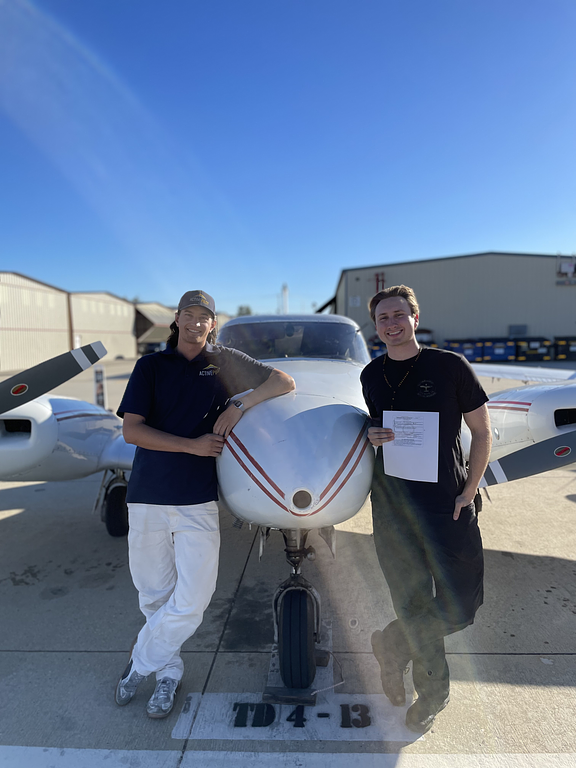
Start with how the airplane’s systems work together: fuel, electrical, propellers, landing gear, and engine controls. In the Twin Comanche you will find dual throttles, two propeller levers, and two mixture controls, and the more familiar they feel on paper, the calmer you will be in the cockpit.
Next, spend time on single-engine aerodynamics. When one engine stops, the thrust becomes uneven, and the airplane wants to yaw toward the dead side. Knowing why that happens is what makes the correction feel logical instead of frantic.
Rehearse Your Checklists on the Simulator
Active students get free access to our X-Plane simulator, and it is the best low-cost place to build habits before the airplane. You can run engine-out flows, practice reading the checklist in order, and learn where each control sits without burning a dollar of aircraft rental. Details are on our simulator training page.
A simulator session does not replace flying, and it is not meant to. It gives you repetition on the sequence you will perform in the airplane, which is what helps the real maneuver feel familiar.
Try a short session each evening in the week before the course. Run the same flow three or four times, and then watch how much less you have to think when the real engine controls are under your hand.
Know What You Will Fly and What It Costs
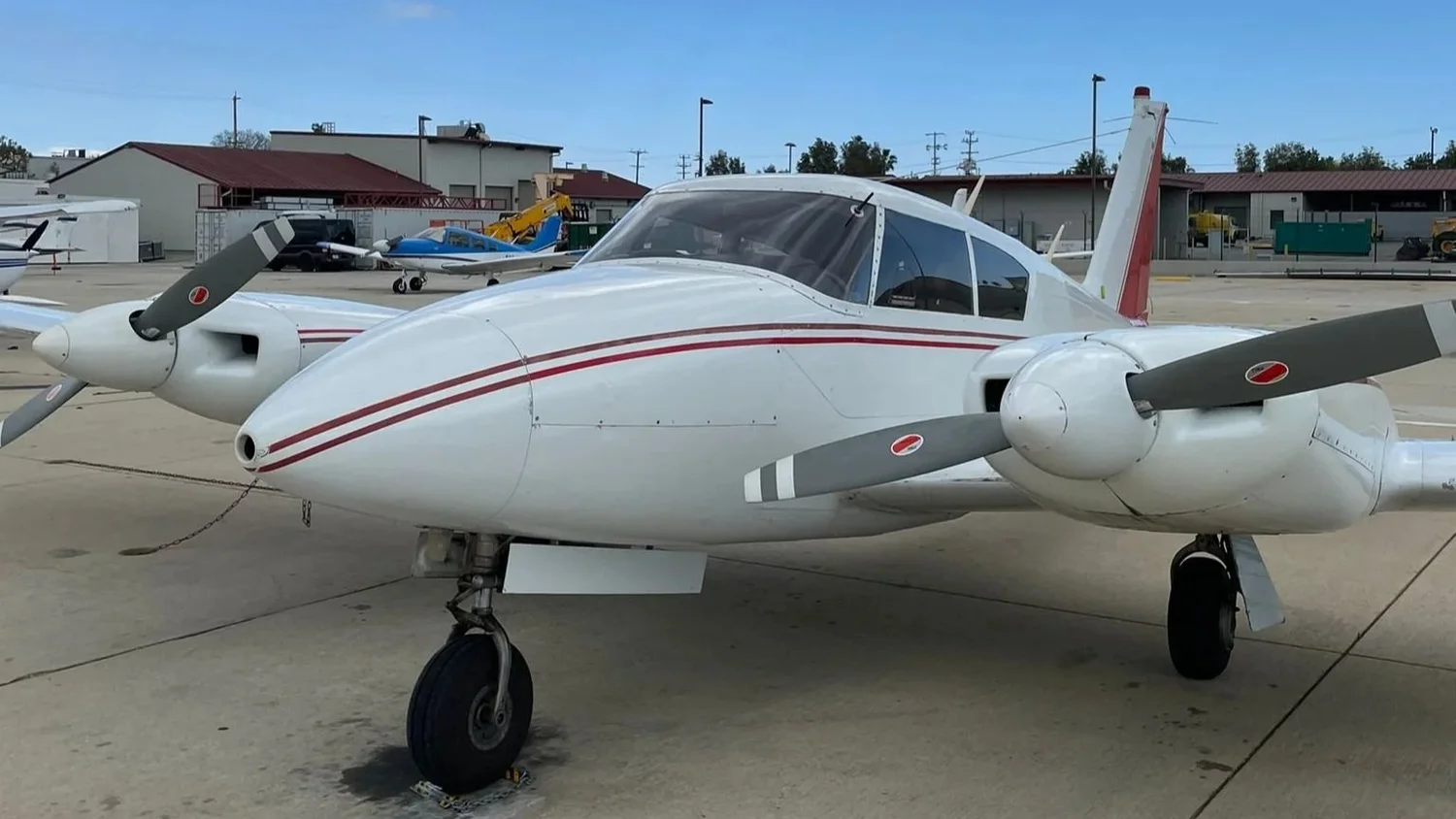
You will train in our Piper PA-30 Twin Comanche, N7738Y, a 1965 twin with a Garmin GNX 375, a Garmin 345 audio panel, and a GI-106A VOR indicator. It rents for $320 an hour. You can read more on the Twin Comanche’s page.
The program itself runs 8 hours of dual flight instruction and 9.5 hours of aircraft rental, with the checkride flight portion included. Those figures are the program’s structure, and your total can shift with your proficiency. The program investment runs $4,440 to $4,850, and our cost breakdown shows where each dollar goes.
Common Prep Mistakes That Cost Flight Hours
A few habits tend to show up when a student arrives underprepared, and each one is easy to fix ahead of time:
- Treating the videos as optional. They are part of the course, and skipping them pushes basic ideas into your flight time.
- Skipping the engine controls on paper. If you cannot name each lever and its job before you sit in the airplane, you will spend your first flight learning the cockpit instead of the maneuvers.
- Leaving the medical question for the last day. A quick look at the date saves a stressful morning.
- Booking other commitments during the course. A phone full of meetings pulls your attention away from the cockpit.
None of these take long to fix. They take a little planning, and the payoff is a calmer course. Our multi-engine rating program is designed around students who show up ready, which is why preparation sits at the front of this guide.
Plan Your Budget Before the First Lesson
Money questions are easiest to answer before you start. We bill pay as you go, so you cover the instruction and aircraft time you use after each lesson, and there is no large deposit required up front.
If you would rather finance the rating, our financing partners include Stratus Financial, AOPA Financing, and Columbia Bank. Talking through the numbers early lets you pick the approach that suits you before the course begins.
Set Up Your Week So You Can Focus
The last item on the checklist is the calendar. A rating that is built to be finished in eight days works best when those days belong to you. Clear your work schedule where you can, plan your meals and your sleep, and avoid stacking other big commitments on top.
Rest matters more than most students expect. A well-rested pilot makes cleaner decisions in the cockpit, and an engine-out practice at the end of a long day is a poor way to learn. If you are curious how the days fit together, our guide to the stages of the 8-day course walks through them.
Your Pre-Day-One Checklist at a Glance
Use this list as your final check before the first lesson:
- Certificate and medical: pilot certificate in hand and a medical that is current.
- Endorsements: the instructor endorsements the checkride requires.
- Videos: all 5 hours watched.
- Systems study: fuel, electrical, propellers, gear, and engine controls reviewed.
- Simulator: a few engine-out flows practiced.
- Budget: a payment plan chosen, whether pay as you go or financing.
- Calendar: your eight days cleared and your rest planned.
Frequently Asked Questions
What documents should I bring on day one?
Bring your pilot certificate, a current medical certificate, and your logbook. Check the medical’s expiration date well before the course. The requirements are laid out in our multi-engine rating program.
What should I study before the course starts?
Start with the 5 hours of online videos, then review aircraft systems, single-engine aerodynamics, and weight and balance. Those match the topics in our 8 hours of ground school.
Is the simulator free?
Active students get free access to our X-Plane simulator. It is a low-cost place to practice engine-out flows. See our simulator training page.
What if I have not flown in a while?
A short refresher flight in a single-engine airplane helps you arrive current and comfortable, so the first twin lesson is about the twin.
How should I plan to pay for the course?
We bill pay as you go, with no large deposit, and our financing partners include Stratus Financial, AOPA Financing, and Columbia Bank.
Ready When You Are
If you check every box, you will arrive prepared, and the rest of the course goes the way it should. If a box is still open, that is fine too. Tell us where you stand and we will help you close the gaps.
Request information from ActivePILOT to talk through your certificate and your dates. Contact us to confirm current availability for the Twin Comanche and your preferred start.


.B93hxYof_19tRkW.webp)