
The Real Cost of a Pilot License in Los Angeles: 2026 Breakdown

Published by:
Ari Hovnanyan
Published on:
Updated on:
Read time:
8 min read
If you have ever looked into flight training in Los Angeles, the first question you probably asked yourself was: how much is this going to cost?
It is a fair question. Flight training is expensive, and there is no point pretending otherwise. But the problem is not just the cost itself. The problem is that most flight schools make it nearly impossible to get a straight answer. Some advertise low hourly rates but hide costs in mandatory fees, fuel surcharges, or block-time requirements. Others quote a “package price” that sounds reasonable until you realize it only covers the bare minimum hours, and most students need far more than that to pass their checkride.
ActivePILOT Flight Academy takes a different approach. The costs are transparent. The pricing structure is clear. And there are no surprise fees buried in the fine print.
This guide breaks down the real cost of flight training in Los Angeles so you can make an informed decision about where to invest your time and money.
Understanding Flight Training Costs: What You Are Actually Paying For
Before looking at specific numbers, it helps to understand what you are paying for when you train to become a pilot.
Flight training costs are made up of several components:
- Aircraft rental — charged by the hour, calculated from engine start to engine shutdown (called “Hobbs time”)
- Flight instruction — the cost of your certified flight instructor’s time, also charged by the hour
- Ground instruction — classroom lessons, briefings, and debriefings with your instructor
- Materials and supplies — textbooks, online courses, flight computer, logbook, charts, headset
- Checkride fees — the cost of your practical exam with a Designated Pilot Examiner (DPE)
- Medical certificate — required FAA medical exam through an Aviation Medical Examiner (AME)
- Written exam fees — computer-based knowledge tests administered by FAA-approved testing centers
The largest costs by far are aircraft rental and flight instruction. These two line items will make up about 80 to 90 percent of your total training expenses.
At ActivePILOT, aircraft rental runs between $175 and $185 per hour depending on the specific aircraft and avionics package. Flight instruction rates vary based on the instructor and the type of training, but the school structures pricing to keep costs competitive without sacrificing the quality of instruction or equipment.
.png)
Private Pilot License: The Foundation of Your Aviation Journey
The Private Pilot License (PPL) is the starting point for almost everyone who wants to learn to fly. It allows you to act as pilot-in-command of an aircraft, carry passengers, and fly under Visual Flight Rules (VFR) in good weather.
The Federal Aviation Administration (FAA) requires a minimum of 40 hours of flight time to earn your Private Pilot License. However, the national average is closer to 60 to 70 hours. Some students finish in less time. Others need more. It depends on how often you fly, how quickly you retain skills, and how well you prepare for each lesson.
ActivePILOT structures its PPL program around 50 hours of flight time, which is a realistic target for most students who fly consistently. The program includes:
- Dual instruction (flying with a certified flight instructor)
- Solo practice flights
- Cross-country navigation training
- Night flying experience
- Ground school instruction
- Checkride preparation
Your total cost will depend on how many hours you need to meet FAA proficiency standards. If you fly two to three times per week and stay consistent, you can finish your Private Pilot License faster and spend less money overall. Students who fly once a month or take long breaks between lessons often need extra hours just to regain proficiency, which drives up costs.
One way ActivePILOT helps students save money is by offering free access to X-Plane simulators. You can practice instrument flows, radio procedures, and navigation without paying for aircraft time. This keeps your skills sharp between flights and reduces the number of billable flight hours you need to stay current.
Instrument Rating: Professional Skills That Make You Hireable
The Instrument Rating (IR) is the certification that allows you to fly in low visibility, clouds, and instrument meteorological conditions (IMC). It is not required to fly recreationally, but it is absolutely essential if you plan to pursue a professional flying career.
Airlines, charter companies, and corporate flight departments will not hire you without an Instrument Rating. It is non-negotiable.
The FAA requires 40 hours of instrument flight time and 50 hours of cross-country flight time to earn your Instrument Rating. Many students complete this training in 50 to 60 hours total, depending on their proficiency and how much simulator time they use.
ActivePILOT’s Instrument Rating program includes:
- Instrument flight maneuvers and procedures
- Cross-country navigation under IFR (Instrument Flight Rules)
- Precision and non-precision approaches
- Use of modern avionics and GPS navigation systems
- Simulator training to build proficiency without burning expensive flight hours
The school’s fleet is equipped with Garmin G5 displays, GI-275 systems, Garmin GNX 375, and ADS-B In/Out, which means you train on the same avionics used in modern commercial aircraft. This is not outdated steam-gauge training. This is real-world, career-relevant instrument flying.
Commercial Pilot License: Turning Your Skills Into a Paycheck
The Commercial Pilot License (CPL) is the certification that allows you to get paid to fly. With a CPL, you can work as a flight instructor, charter pilot, banner-tow pilot, pipeline patrol pilot, or in dozens of other commercial aviation roles.
The FAA requires 250 total flight hours to earn your Commercial Pilot License. By the time you finish your Private Pilot License and Instrument Rating, you will have around 100 to 130 hours. The remaining hours must be built through time-building, solo cross-country flights, and commercial maneuvers training.
ActivePILOT’s Commercial Pilot program focuses on:
- Complex aircraft operations
- Advanced flight maneuvers
- Commercial cross-country requirements
- Checkride preparation with real-world scenarios
The school operates Piper Twin Comanche (PA-30) aircraft for multi-engine training, which means you can complete your multi-engine add-on and build valuable twin-engine time as part of your overall training progression.
Building 250 hours is the biggest cost hurdle in flight training. This is where the “Pay As You Go” policy at ActivePILOT becomes a major advantage. You are not locked into a massive upfront contract. You pay for the hours you fly, and you have full transparency over where your money goes.
Multi-Engine Add-On: Standing Out in a Competitive Job Market
The Multi-Engine Add-On certification allows you to fly aircraft with more than one engine. Most airlines and corporate operators require multi-engine experience, so this rating is essential if you want to move into professional flying roles.
ActivePILOT offers an 8-day accelerated multi-engine course that gets you certified quickly and efficiently. The program uses the Piper Twin Comanche (PA-30), a reliable twin-engine trainer that has been the backbone of multi-engine training for decades.
Multi-engine training is more expensive per hour than single-engine training because the aircraft burns more fuel and requires more maintenance. However, the accelerated structure of the course minimizes total costs by getting you through the rating in a compressed timeframe.
Certified Flight Instructor: Your Fastest Path to Airline Hours
The Certified Flight Instructor (CFI) certification is how most pilots build the 1,500 hours required to work for an airline. Instead of paying to rent an aircraft and build hours on your own, you get paid to teach other students while building your own flight time.
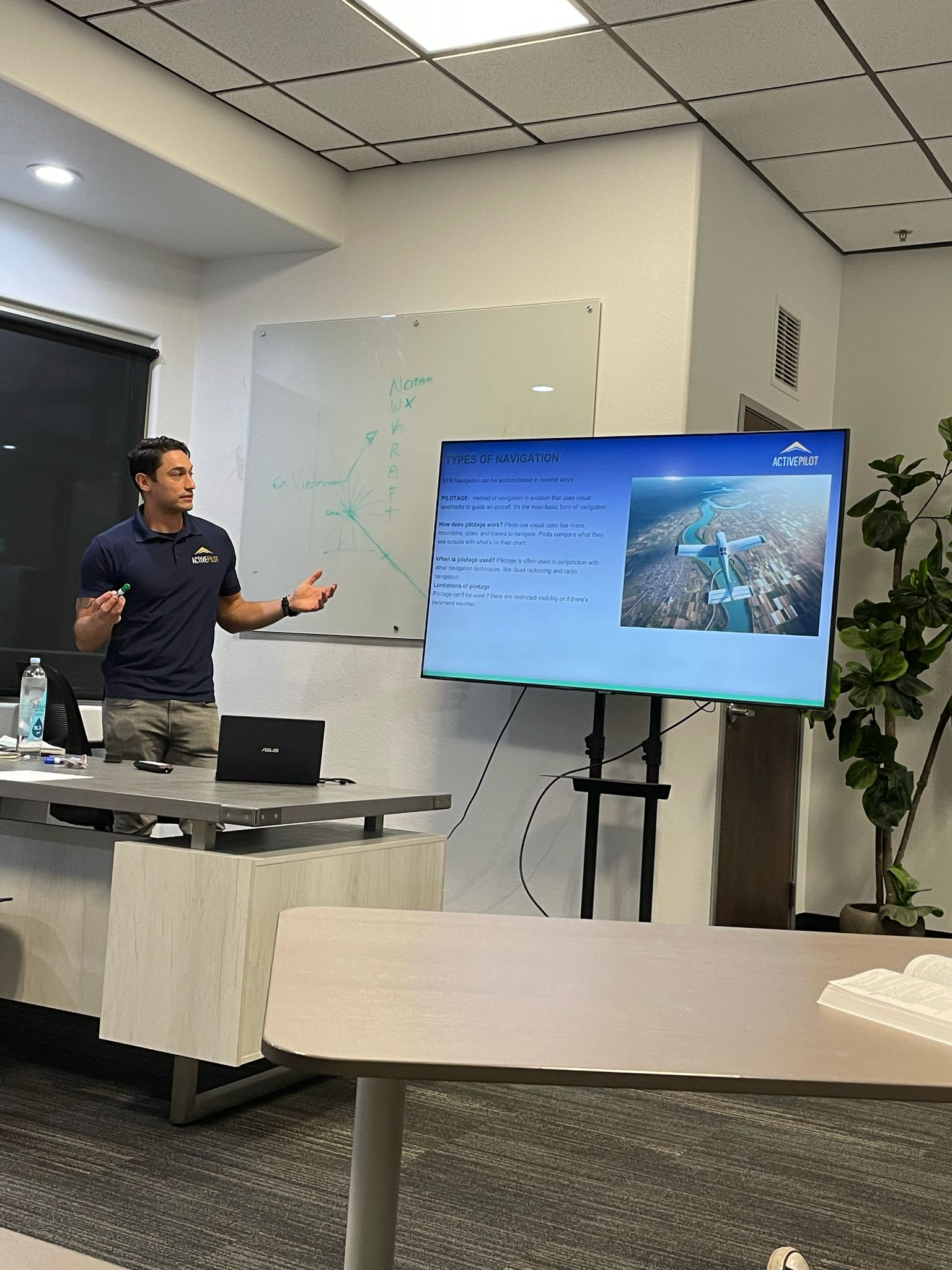
ActivePILOT offers a 30-day CFI Academy that prepares you for the CFI, CFII (Certified Flight Instructor - Instrument), and MEI (Multi-Engine Instructor) checkrides. The program is taught by active airline captains who understand exactly what it takes to succeed in a professional flying career.
Becoming a flight instructor is not just a time-building strategy. It is one of the best ways to solidify your own flying skills, improve your decision-making, and develop the communication skills that airlines value in their pilots.
| Certification | Minimum Flight Hours | Typical Completion Range | Key Requirements |
|---|---|---|---|
| Private Pilot License (PPL) | 40 hours | 50-70 hours | Solo flight, cross-country navigation, night flying |
| Instrument Rating (IR) | 40 hours instrument time | 50-60 hours total | 50 hours cross-country, IFR proficiency |
| Commercial Pilot License (CPL) | 250 total hours | Varies (time-building phase) | Complex aircraft, commercial maneuvers |
| Multi-Engine Add-On | N/A (add-on rating) | 8-day accelerated course | Twin-engine operations, engine-out procedures |
| Certified Flight Instructor (CFI) | N/A (instructor rating) | 30-day academy | Teaching proficiency, advanced flight skills |
The Hidden Costs That Other Schools Do Not Tell You About
When comparing flight school pricing in Los Angeles, most students make the mistake of only looking at the advertised hourly rates. But hourly rates are only part of the story.
Here are the hidden costs that can destroy your budget if you are not careful:
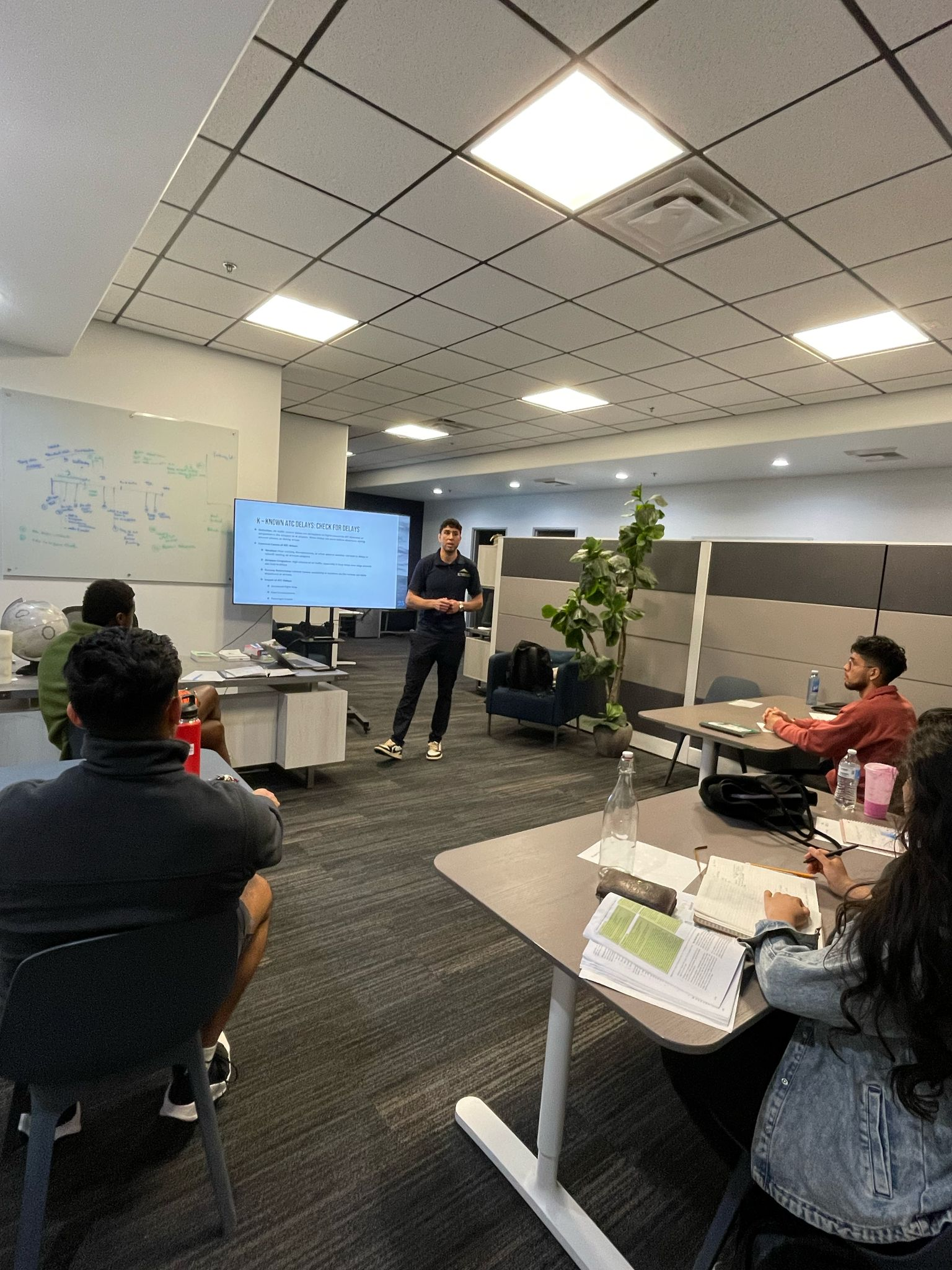
Checkride delays — Many flight schools have wait times of 3 to 4 months just to schedule a checkride with a Designated Pilot Examiner. During that time, you are paying for additional flight hours just to stay current. ActivePILOT has relationships with three DPEs, which brings checkride scheduling down to approximately one month. That alone can save you thousands of dollars.
Mandatory block time — Some schools require you to purchase blocks of flight time upfront, often 10 or 20 hours at a time. If you do not use all the hours, you might lose the money. If you need more hours than you purchased, you have to buy another block. ActivePILOT’s Pay As You Go policy eliminates this risk entirely.
Aircraft availability — If a school only has two or three training aircraft, you will spend weeks waiting for a plane to become available. Every delay adds cost because you need extra flight hours to regain proficiency. ActivePILOT operates the largest fleet of Piper Warrior aircraft at Van Nuys Airport, which means you can fly when you are ready to fly.
Inconsistent aircraft — Some schools have a mix of different aircraft models with different avionics setups. Every time you switch planes, you waste flight time re-learning a different cockpit layout. ActivePILOT’s fleet is standardized, so you build consistency and finish faster.
These hidden costs can add thousands of dollars to your total training bill. The only way to avoid them is to choose a school that prioritizes transparency, efficiency, and student success.
Financing Your Flight Training: Making the Investment Manageable
Flight training is one of the best investments you can make in your future, but it is still a significant financial commitment. ActivePILOT offers access to financing options that make training more affordable without forcing you into rigid payment plans.
The Pay As You Go model means you are never locked into a massive upfront deposit. You pay for the hours you fly, and you have full control over your training pace and budget.
For students who need additional financial support, the school can connect you with financing partners who specialize in aviation training loans. These loans are designed specifically for flight students and offer flexible repayment terms that align with your career timeline.
According to the Aircraft Owners and Pilots Association (AOPA), the average cost of earning a Private Pilot License in the United States ranges from $10,000 to $15,000, depending on location, aircraft type, and training efficiency. Instrument Ratings typically add another $8,000 to $12,000, and Commercial Pilot training can range from $15,000 to $30,000 depending on how you build your hours.
These are not small numbers. But when you compare them to the cost of a four-year college degree, flight training starts to look like a reasonable investment — especially when you consider that many commercial pilots are earning six-figure salaries within a few years of starting their careers.
Zero to 1500 Hours: The Fastest Path to the Airlines
If your goal is to become an airline pilot, ActivePILOT’s Zero-1500 Airline Training Program is the most efficient path from zero flight time to airline-ready in seven months.
This program takes you through:
- Private Pilot License
- Instrument Rating
- Commercial Pilot License
- Multi-Engine Add-On
- Certified Flight Instructor certifications (CFI, CFII, MEI)
Once you complete the program, you can start working as a flight instructor at ActivePILOT and build the remaining hours you need to reach the 1,500-hour airline hiring minimum. This is the same career path that hundreds of ActivePILOT graduates have followed to secure positions at major airlines and corporate charter companies.
The school is managed by active airline captains — Ari Hovnanyan (Embraer E-175) and Leonardo Aristizabal (Boeing 737) — who understand exactly what airlines are looking for in new-hire pilots. Your training is built around real-world airline standards, not outdated methods that have not been updated in decades.
How to Evaluate Flight Schools Based on True Cost, Not Just Hourly Rates
When comparing flight training costs in Los Angeles, do not just look at the hourly rate. Ask these questions:
-
What is the average total cost to complete each certification? — Schools should be able to give you a realistic range based on their actual student data.
-
What is included in the hourly rate? — Does it include fuel, insurance, and maintenance, or are those added as separate fees?
-
How long does it take to schedule a checkride? — Delays cost you money. Schools with DPE relationships finish students faster.
-
How many training aircraft do you have? — More aircraft means better availability and less downtime.
-
What is your fleet standardization? — Switching between different aircraft types wastes time and money.
-
Do you require block-time purchases or deposits? — Pay-as-you-go models give you more control and less risk.
-
What is your instructor turnover rate? — High turnover means you will constantly switch instructors, which slows your progress.
ActivePILOT answers all of these questions with transparency and confidence. The school has been in business since November 1, 2017, and has built a reputation for producing well-trained pilots who succeed in their checkrides and their careers.
Frequently Asked Questions
-
How much does it cost to get a Private Pilot License in Los Angeles?
The Private Pilot License requires 40 to 70 hours of flight time. At ActivePILOT, aircraft rental ranges from $175 to $185 per hour, and you will also pay for flight instruction, ground school, materials, and checkride fees. Most students should budget $12,000 to $18,000 for the complete PPL.
-
Does ActivePILOT require large upfront deposits?
No. ActivePILOT operates on a Pay As You Go policy. You are not required to make large advance deposits. You only pay for the flight hours you actually receive, and all transactions are tracked transparently.
-
Can I finance my flight training?
Yes. ActivePILOT offers access to financing options designed specifically for flight students. These loans provide flexible repayment terms that align with your career timeline.
-
How long does it take to complete flight training?
It depends on how often you fly. Students who train two to three times per week can complete their Private Pilot License in 3 to 6 months. The Zero-1500 Airline Training Program takes you from zero hours to commercial pilot in seven months.
-
What is the total cost to become an airline pilot?
To reach the 1,500 hours required for airline hiring, you will need to complete your Private Pilot License, Instrument Rating, Commercial Pilot License, Multi-Engine Add-On, and Certified Flight Instructor certifications. Total costs vary, but most students should budget $80,000 to $120,000 to reach 1,500 hours, including time-building as a flight instructor.
-
Are there any hidden fees at ActivePILOT?
No. The school operates with full transparency. Aircraft rental rates include fuel, insurance, and maintenance. There are no surprise fees or mandatory block-time purchases.
-
How does ActivePILOT keep costs competitive?
ActivePILOT operates the largest fleet of Piper Warrior aircraft at Van Nuys Airport, which reduces downtime and keeps you flying consistently. The school also offers free X-Plane simulator access to help you practice skills without paying for aircraft time. Fast checkride scheduling (approximately one month) eliminates the costly delays common at other schools.
Start Your Training With Full Cost Transparency
Flight training costs are significant, but they should never be a mystery. At ActivePILOT Flight Academy, you get transparent pricing, no hidden fees, and a Pay As You Go structure that gives you full control over your budget.
If you want to know exactly what it will cost to earn your pilot license in Los Angeles, the first step is simple: book a Discovery Flight for $249 and see what training at Van Nuys Airport is really like.
You can also request more information about specific programs, financing options, and the fastest path to your aviation career.
Your training starts with a clear plan and honest answers. No surprises. No hidden costs. Just professional flight instruction that gets you from zero hours to airline-ready as efficiently as possible.


