
Part 61 vs Part 141: What's The Best Option in LA in 2026?

Published by:
Ari Hovnanyan
Published on:
Updated on:
Read time:
8 min read
If you are comparing part 61 vs part 141 in LA in 2026, the answer is usually simpler than it sounds. The path that saves you more time and money is the one that keeps you flying often, avoids long delays, and does not force you into costs you do not need.
For many people, that points to Part 61. A lower advertised minimum hour number does not always lead to a lower final bill. In Los Angeles, your real cost is shaped by aircraft access, checkride timing, schedule flexibility, and how quickly you stay sharp between lessons.
Part 61 vs Part 141 in LA in 2026: Start With the Real Trade-Off
The FAA explains that Part 141 schools operate under FAA-approved course outlines with school-level oversight, instructor standards, and facility requirements. That can fit students who want a more formal, school-style system.
Part 61 training is often the better fit when you need more room to shape training around work, school, or cash flow. You do not finish faster because a brochure says you might. You finish faster because you can train often enough to keep building skill.
At ActivePILOT, the Part 61 model centers on one-on-one mentorship, standardized aircraft, and a transparent Pay As You Go structure.
Decision takeaway: If your schedule changes from week to week, the path that gives you more control over pace and cash flow can save more than a stricter label on paper.
Why Lower Minimum Hours Do Not Always Mean Lower Cost
The FAA notes that an approved Part 141 private pilot course may reduce the minimum flight time from 40 hours to 35 hours, but it also says that most people still need 60 to 75 hours to earn a private pilot certificate. That gap matters.
If most students still fly well past the legal minimum, then your real cost depends on efficiency. Long gaps between flights, hard-to-book aircraft, and delayed checkrides can erase the benefit of a smaller minimum very quickly.
Here is a simple way to compare the two paths:
| Decision Point | Part 61 Path | Part 141 Path | What Matters for Your Cost |
|---|---|---|---|
| Weekly schedule | Often easier to shape lessons around work and family | More likely to follow a fixed school-approved sequence | Consistency lowers repeat training |
| Payment style | Can be easier to manage lesson by lesson | Varies by school | Large deposits raise risk if plans change |
| Real finish time | Depends on how often you can fly | Depends on how often you can fly | Gaps and delays usually cost more than labels |
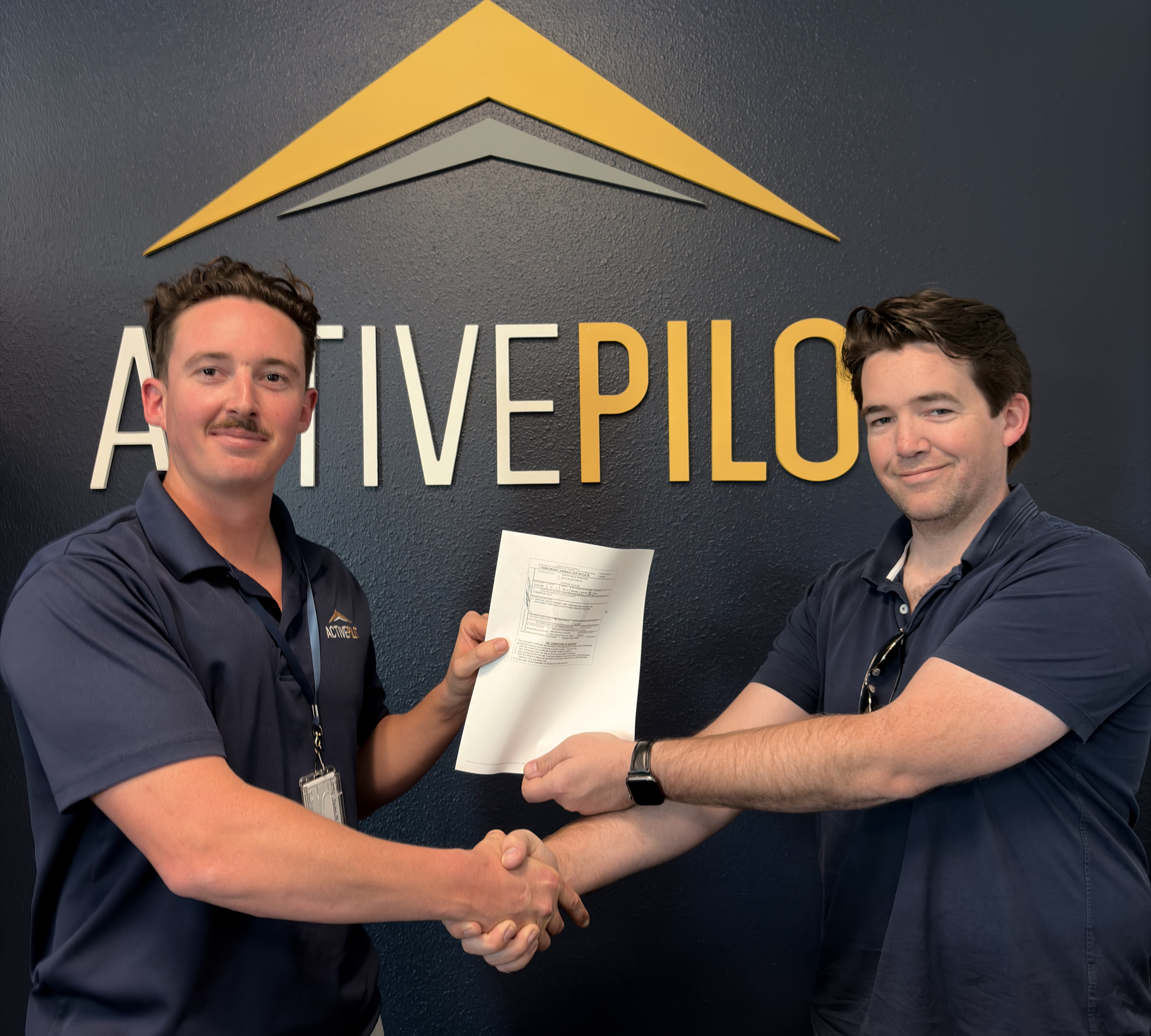
If you want to know how to choose a flight school, ask how often you can realistically train, what happens if your schedule shifts, and how the school prevents downtime.
Decision takeaway: Choose the path that helps you train consistently, because consistency is what usually saves money.
In Los Angeles, Delays Can Cost More Than the Syllabus
Los Angeles is not a forgiving place to train inconsistently. ActivePILOT operates from Van Nuys Airport (KVNY), one of the busiest general aviation airports in the world with more than 220,000 annual operations. You train in Class D airspace that frequently interacts with nearby Class B airspace around LAX and Burbank.
The airport also gives you an 8,000-foot primary runway with full ILS and a 4,000-foot training runway, plus local mountain, coastal, desert, and dense urban flying.
That local setting matters because time loss in Los Angeles gets expensive fast. If a school cannot get you into an aircraft, or if you wait months for a checkride, you pay to stay current. ActivePILOT says its checkride wait is about one month, much faster than the common three- to four-month delay many students face elsewhere.
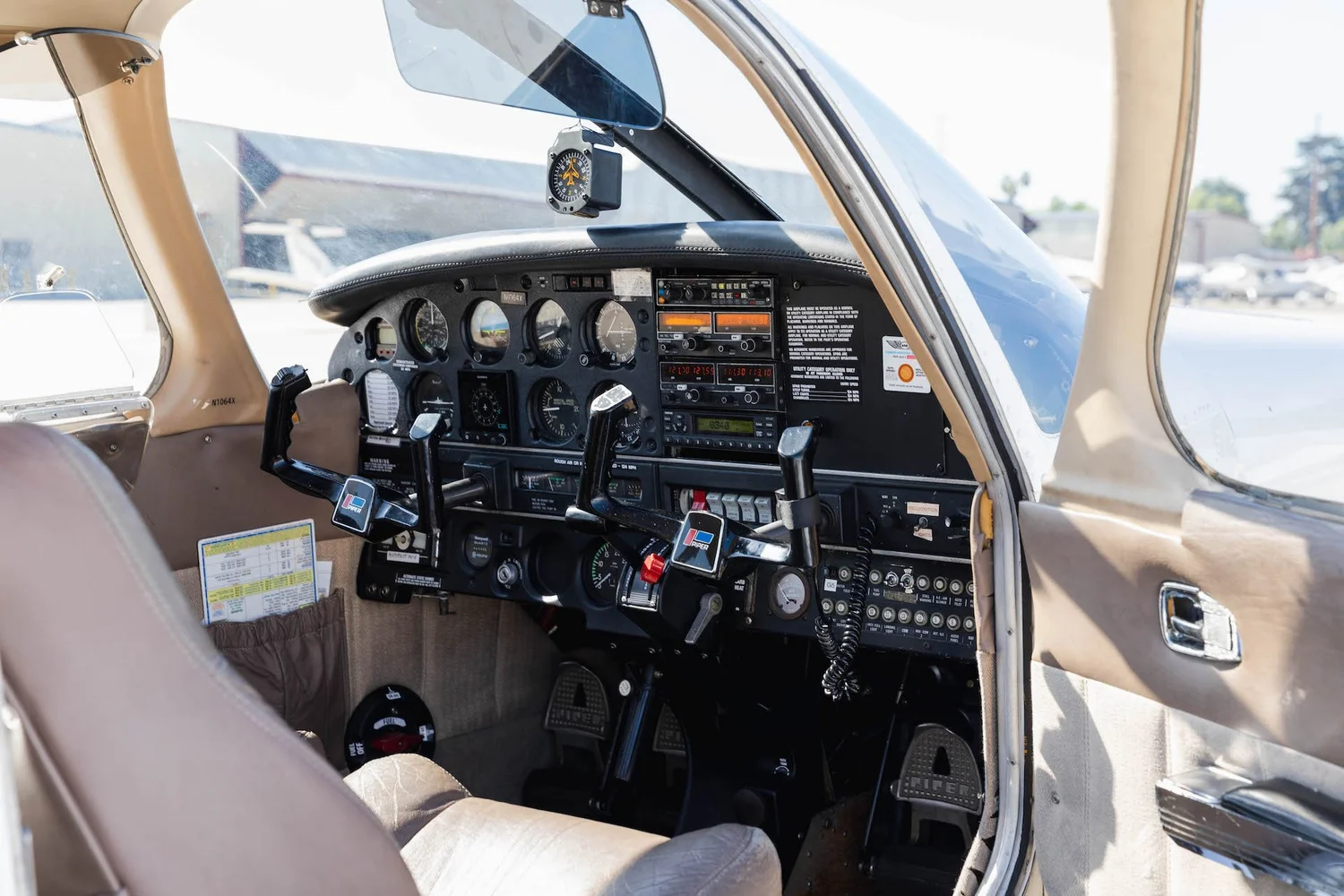
Fleet size matters too. ActivePILOT operates the largest fleet of Piper Warriors at Van Nuys Airport. The aircraft are standardized, so you are not wasting paid lesson time learning a different cockpit layout every time you switch planes. For more context, read why Van Nuys is such a strong place to train.
Decision takeaway: In flight training in Los Angeles, the school that reduces scheduling gaps often saves you more than the school with the neatest syllabus.
When Part 61 Makes More Sense for Your Budget
For many students, the biggest risk is not the hourly rate. It is paying too much too early, then losing momentum. ActivePILOT addresses that with a Pay As You Go model and no mandatory large advance deposits.
The school also publishes concrete program ranges. The estimated cost for the Private Pilot License is $15,061 to $16,219. The Instrument Rating is $16,078 to $17,350. The Commercial Pilot License is $9,017 to $9,975. You can review the broader pricing breakdown on the pilot license pricing page and explore financing options.
Active students also get free, unlimited access to X-Plane simulators with PilotEdge and One-G Foundation Cessna 172 simulators. That lets you practice flows, radio work, and procedures without paying aircraft rental rates each time.
Decision takeaway: If budget control matters as much as finish speed, a transparent lesson-by-lesson structure is often the safer play.
When a Structured Part 141 School May Fit Better
A Part 141 school can be the better fit if you want a highly prescribed learning flow, a formal school environment, and a rigid training sequence from the beginning.
But structure alone does not remove hidden fees, guarantee aircraft availability, erase checkride backlogs, or prevent skill fade if you cannot fly often enough.
ActivePILOT shows how a career-first Part 61 program can still feel professional. Training is built around standardized Piper Warrior aircraft, modern avionics with Garmin G5 or dual GI-275 displays, Garmin GNX 375 GPS, and ADS-B In/Out, plus quiet study rooms, a lecture hall, and operations from the main Van Nuys terminal. If your long-term goal is airline or charter flying, the school also offers a zero-to-airline pathway.
Decision takeaway: If you think you need Part 141, ask whether you need stricter rules or whether you really need better access, better mentoring, and fewer delays.
How ActivePILOT Helps You Save Time Without Locking You In
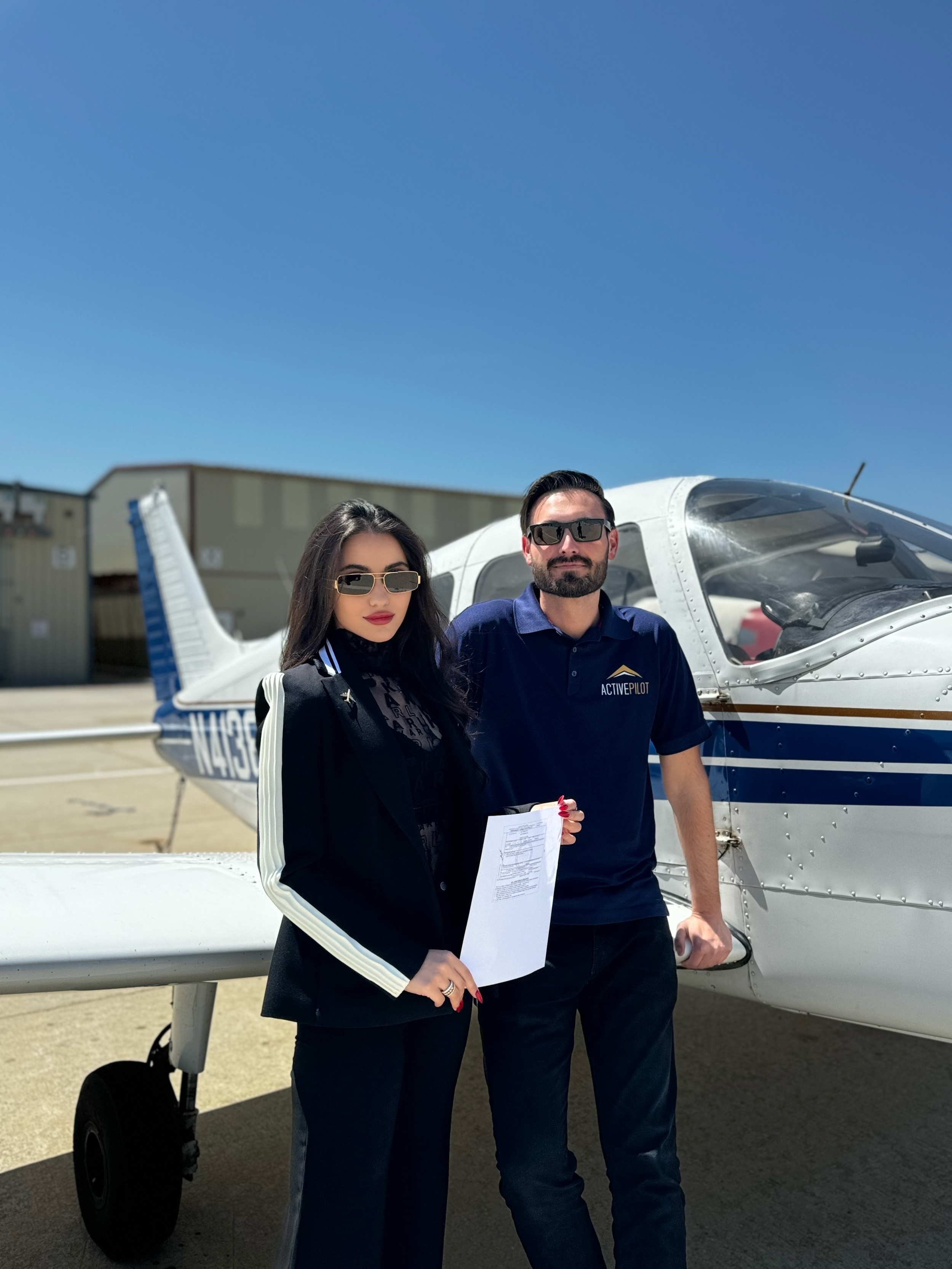
You get one-on-one mentorship from active airline captains. You train in a fleet of standardized Piper Warriors instead of bouncing between mismatched aircraft. You have access to free simulators to hold onto muscle memory. And when you are ready for a checkride, the school says it can usually get you there in about a month.
If you are still early in the process, start with the new-to-flying page or review all training programs. If you want to test the environment first, the school also offers a $249 discovery flight in Los Angeles, which includes a 15-minute pre-brief, 45 minutes of flight time, and a 15-minute post-brief.
Decision takeaway: If you want the path that is most likely to save time and money, choose the school that removes friction from every stage of training.
FAQ
-
Is Part 141 always faster than Part 61?
No. The FAA says a Part 141 private pilot course may allow a lower minimum hour requirement, but it also says most students still need 60 to 75 hours. Finish time usually depends more on consistency, aircraft access, and checkride timing.
-
Can a Part 61 school still be a strong career path?
Yes. ActivePILOT trains under Part 61 with active airline captain mentorship, standardized equipment, and a path into advanced ratings and instructor training.
-
How much does it cost to start at ActivePILOT?
The Discovery Flight is $249. For full training, the published Private Pilot License range is $15,061 to $16,219. You can review more numbers on the pilot license pricing page.
-
What if I work full time and cannot fly every day?
That is one of the main reasons many students prefer Part 61. ActivePILOT uses a Pay As You Go structure, one-on-one instruction, and free simulator access so you can keep progressing with a less rigid calendar.
-
Why does Van Nuys matter when choosing a flight school?
Van Nuys Airport gives you a busy, real-world training environment with over 220,000 annual operations, complex airspace, an 8,000-foot runway with ILS, and a dedicated 4,000-foot training runway. That helps your training feel more practical from the start.
-
What is the best next step if I am still comparing schools?
Ask each school how you pay, how long checkrides usually take, how many training aircraft they have, and how often you can realistically fly.
See Which Path Fits Your Goal
If you want a direct answer on whether Part 61 or Part 141 makes more sense for your budget, schedule, and career plan, request information from ActivePILOT. You will get a clearer picture of which training path fits you before you commit money or time.


.CbLPZiMB_Z2HPxB.webp)
.CCh9zi8h_Zkhw5v.webp)