
Flight School Los Angeles: How to Choose the Right One in 2026

Published by:
Ari Hovnanyan
Published on:
Updated on:
Read time:
12 min read
If you are searching for the best flight school Los Angeles has for your goals, do not start with a logo, a slogan, or the lowest hourly rate. Start with the parts of training that decide whether you keep moving or lose time: aircraft access, instructor fit, cost clarity, checkride planning, and the airport where you train.
This matters because flight training is not one purchase. It is a series of lessons, ground sessions, weather decisions, aircraft bookings, and checkride steps. A school can look affordable on day one and become expensive if you cannot fly often, if pricing is vague, or if you sit for months after you are ready for the test.
This guide shows you how to choose a flight school in Los Angeles in 2026. It also shows where ActivePILOT fits when you compare schools by the same standards you will use as a student. At ActivePILOT, we want that comparison to be practical before you spend serious money on training.
Los Angeles has a lot of options, and the term “flight school” covers everything from a single instructor renting time in one airplane to a full flight academy Los Angeles career students trust from first lesson to airline interview. Most of the strongest choices sit at the same place: Van Nuys Airport. If you have already narrowed your search to a Van Nuys flight school, you can jump straight to our flight school in Van Nuys page to see why the airport itself is part of the training. Otherwise, keep reading and use the standards below on every school you visit.
Choose the School That Fits Your Real Goal
Before you compare airplanes or prices, decide what you are trying to do. A student who wants a weekend Private Pilot License does not need the same pace as a career-track student who wants to move through private, instrument, commercial, multi-engine, and instructor training.
Your goal affects three things right away:
- How often you should fly so you do not keep relearning old lessons
- How much structure you need from your instructor and training plan
- How much cost control you need before you commit to the full path
If you are new to aviation, start with ActivePILOT’s new-to-flying guide or compare the school’s flight training programs. If you already know you want a professional pilot path, review the Zero-1500 Airline Pilot Program before you compare schools.
The first decision is simple: pick the school that matches your real use case, not the one with the loudest claim. If you want to fly for fun, your path should feel clear and manageable. If you want a career, your school should show you how each certificate connects to the next one.
Compare Full Training Cost, Not Just Hourly Rates
When comparing the flight school Los Angeles cost across different academies, students often focus solely on one hourly aircraft rate. That is only part of the picture.
Your final cost is shaped by:
- Aircraft rental rate
- Instructor rate
- How often you fly
- Ground study habits
- Weather delays
- Maintenance downtime
- Checkride timing
- Whether you need repeat lessons after long gaps
ActivePILOT publishes clear program estimates so you can plan with real numbers. The Private Pilot License estimate is $15,061 to $16,219. You can review broader program pricing on the pilot license pricing page and compare payment options on the financing page.
Those numbers are estimates, not promises. Your final cost depends on your pace, skill growth, lesson frequency, and checkride readiness. But a published range is still useful because it gives you a real baseline before you start.
ActivePILOT also uses a pay-as-you-go model with no large mandatory upfront deposit. This helps you stay in control of cash flow while you train. Financing partners are available for students who want to explore aviation loans, and block or prepayment options may help students who know they will train consistently.

The right question is not, “Which school has the cheapest number on one line?” The better question is, “Which school helps me avoid paying twice for the same skill?”
Ask Whether the Fleet Can Keep Up With Your Schedule
Aircraft access can make or break your training. If a school has too few airplanes, one maintenance issue can erase your week. If every aircraft has a different panel, you may spend paid lesson time adjusting to a new cockpit instead of building skill.
A strong school should be able to explain:
- How many training aircraft are normally available
- Whether the fleet is standardized
- How maintenance affects scheduling
- Whether you can train in similar equipment from one lesson to the next
- How far ahead students usually need to book
ActivePILOT operates the largest Piper Warrior fleet at Van Nuys Airport. The core fleet is standardized around Piper PA-28 training aircraft, which helps students build repeatable habits instead of relearning a different setup each time. You can see more fleet context on the aircraft rental page.
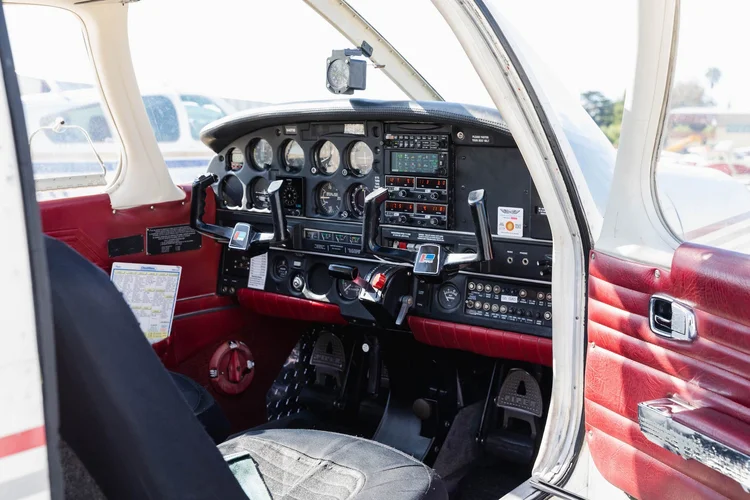
This is one reason the cheapest advertised rate is not always the cheapest path. If poor aircraft access causes you to fly less often, you may need extra review lessons to stay sharp. A steady fleet helps you keep rhythm.
Make Instructor Fit Part of the Decision
A good instructor does more than sit in the right seat. Your instructor should help you see the next step, understand why a maneuver matters, and know what standard you are working toward.
When you tour a school, pay attention to how the team talks about training. Do they explain the plan clearly? Do they ask about your schedule and goals? Do they show you how progress is tracked? Do they make space for your questions?
The AOPA flight school selection guidance points students toward practical issues like schedule fit, instructor credentials, fleet access, progress tracking, and warning signs during a visit. Those are not small details. They shape how much trust you can place in the training plan.
ActivePILOT was co-founded and is led by active airline captains, and the school is built around one-on-one mentorship. That does not mean every student needs an airline career. It means your training is organized around professional habits from the first lesson. You can learn more about the team on the about ActivePILOT page.
For many students, the best fit is the school that can answer your questions without rushing you. You should leave your campus tour knowing what comes next, what it costs, and how your instructor will help you measure progress.
Look for Checkride Planning Before You Are Ready for the Checkride
Checkride timing is one of the easiest parts of flight training to ignore too long. The problem is simple: you can be ready to test, then lose sharpness while waiting for an examiner. That delay can add cost because you may need extra flights to stay prepared.
A serious school should talk about checkrides early. Ask how they plan for examiner availability, how they decide when a student is ready, and what they do to keep a student sharp while waiting.
ActivePILOT plans checkrides early and works with established DPE relationships. Many students see about a one-month checkride window, but timing still depends on readiness, weather, aircraft availability, and examiner schedules. A promise is not the standard. The useful question is, “How do you prevent avoidable waiting once I am ready?”
This is also where training structure matters. A school can be Part 61 and still be organized. ActivePILOT uses a flexible Part 61 model with a structured training cadence. If you are comparing school structures, read the deeper guide to Part 61 vs Part 141 in Los Angeles.
Use the Airport as Part of Your Comparison
Los Angeles is a complex place to learn to fly. That can be a strength if your school helps you build the skill step by step.
ActivePILOT trains at Van Nuys Airport (KVNY). The FAA describes Van Nuys as a busy general aviation airport with mixed traffic in Class D airspace. The LAWA airport description lists two parallel runways, an FAA tower, and a full ILS on the main runway.
This matters because your airport teaches you habits. At KVNY, you learn to work with air traffic control, manage traffic awareness, and operate near some of the most active airspace in the country. A quieter airport may feel easier at first, but a busy training environment can make real-world flying feel more normal later.
If location is one of your main decision factors, read the full guide to why Van Nuys Airport is a strong place to learn to fly in Los Angeles or plan a visit through the ActivePILOT location page.
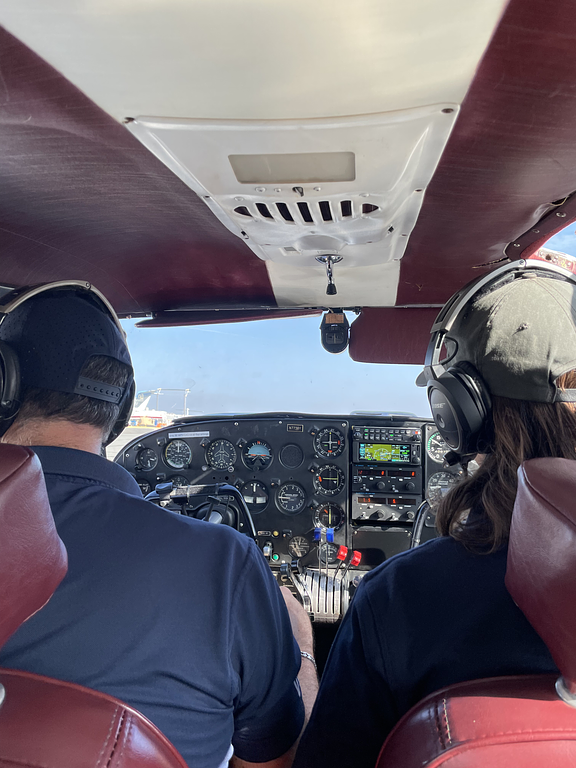
The point is not that every student needs the busiest airport. The point is that your training airport should match the pilot you want to become.
Compare Van Nuys Flight Schools, Not Just Los Angeles in General
Here is a shortcut that saves most students weeks of research. Once you decide the airport matters, “best flight school Los Angeles” quietly becomes “best Van Nuys flight school,” because so many of the region’s serious training operations are based at KVNY. That is good news for you: instead of comparing schools scattered across a huge metro area, you can compare flight schools Van Nuys shares one ramp and one airspace, using the same yardstick.
When you compare flight training Van Nuys options head to head, weigh these:
- Fleet size and standardization at that airport. A big, matched fleet at KVNY means fewer downtime surprises than a school borrowing one or two airplanes.
- Instructor depth. Enough instructors that a schedule change does not stall your training for weeks.
- A real path past the Private Pilot License. If your goal is a career, the school should offer instrument, commercial, multi-engine, and CFI in-house so you are not switching schools mid-journey.
- Cost transparency and payment flexibility. Published ranges and a pay-as-you-go option protect you from surprise bills.
ActivePILOT is built around those four points as a flight academy Los Angeles career students can grow into. You can see how the airport shapes the training on the flight school in Van Nuys page, and if you still have quick questions before you visit, the flight school Van Nuys FAQs answer the ones prospective students ask most.
Picture Your First Month Before You Commit
One of the best ways to compare schools is to imagine your actual first month as a student at each one. What does a typical week look like? How fast do you get from a Discovery Flight to solid takeoffs and landings? When do you first touch the controls yourself?
A strong school can describe that first month clearly because they have run hundreds of students through it. If a school is vague about what your early lessons cover, treat that as a warning sign. To see how a structured first month unfolds at a busy training airport, read our companion guide on what your first month of flying lessons in Van Nuys looks like. It walks through the Discovery Flight, your first solo milestones, ground school, and how simulator practice keeps costs down between flights.
Watch for Red Flags Before You Enroll
Lists of the best flight schools in Los Angeles can help you build a shortlist. They cannot inspect the school for you. Use your campus tour to look for warning signs.
Slow down if a school cannot explain:
- What your first 10 lessons usually cover
- How aircraft are scheduled
- How many aircraft are usually available for training
- What happens when maintenance or weather cancels a flight
- How checkride planning works
- What costs are not included in the first estimate
- Whether you can pay as you go or must deposit a large amount upfront
- How your instructor will track progress
Also pay attention to pressure. A school that pushes a large deposit before answering basic questions is asking you to carry more risk than you need to carry.
ActivePILOT’s model is built to lower that risk. You can compare published pricing, review financing options, train in a standardized fleet, use simulator practice between flights, and visit the Van Nuys campus before you commit.
See How ActivePILOT Fits the Buyer Checklist
Here is a practical way to compare any flight school Los Angeles students are considering.
| Decision factor | What strong answers include | ActivePILOT fit |
|---|---|---|
| Cost clarity | Published ranges, clear hourly rates, and payment options | Published pricing, pay-as-you-go training, and financing options |
| Aircraft access | Enough aircraft to support consistent training | Largest Piper Warrior fleet at KVNY and a standardized PA-28 training platform |
| Instructor fit | Clear communication, progress tracking, and goal-based mentorship | Airline-captain leadership and one-on-one instruction through ActivePILOT programs |
| Checkride planning | Early planning and a clear readiness process | Established DPE relationships and about a one-month checkride window when readiness and examiner availability align |
| Airport environment | Training that builds real radio, traffic, and airspace habits | Van Nuys Airport training from a busy Class D general aviation environment |
| Risk control | No vague pricing, no pressure, no unclear next step | Request information, visit the campus, and compare the path before enrolling |
This is how to choose without getting pulled into hype. If a school gives you clear answers on these points, you can compare it fairly. If it cannot, the problem will usually show up later as cost, delay, or confusion.
FAQ
-
What is the best flight school in Los Angeles?
The best school is the one that fits your goal, schedule, budget, and learning style. If you want transparent pricing, a standardized Piper Warrior fleet, pay-as-you-go training, and a busy Van Nuys training environment, ActivePILOT is built around those priorities.
-
How much does flight school cost in Los Angeles?
Cost depends on aircraft rates, instructor rates, lesson frequency, weather, readiness, and checkride timing. ActivePILOT’s published Private Pilot License estimate is $15,061 to $16,219, and broader pricing is available on the pilot license pricing page.
-
Should I choose a Part 61 or Part 141 flight school?
Part 141 can fit students who want a formal FAA-approved course structure. Part 61 can fit students who need more flexibility. The FAA explains Part 141 pilot schools as schools with approved curricula and added oversight. For a local comparison, read ActivePILOT’s Part 61 vs Part 141 guide.
-
Why does aircraft availability matter so much?
Flying often helps you keep skill. If aircraft are hard to book, you may go too long between lessons and spend money reviewing old material. That is why fleet access should be part of your school comparison.
-
What should I ask during a flight school tour?
Ask about cost, aircraft access, instructor assignment, lesson frequency, simulator access, weather cancellations, maintenance downtime, checkride planning, and payment structure. You can start with a campus visit through the request information page.
-
Is Van Nuys Airport too busy for a beginner?
A busy airport can feel like a lot at first, but it can also build strong habits when instruction is structured well. At ActivePILOT, you start with instructor support and build comfort with radio work, traffic awareness, and controlled-airport procedures over time.
-
Are the best Los Angeles flight schools really all at Van Nuys?
Not all of them, but many of the region’s most established training operations are based at Van Nuys Airport because of its parallel runways, complex airspace, and central location. If you are comparing a Van Nuys flight school shortlist, start with the flight school in Van Nuys page and the flight school Van Nuys FAQs to see how the airport shapes your training.
Make the Decision With the Same Standards You Will Train By
The right flight school should make the next step clear. You should know what you are training for, what the cost range looks like, how often you can fly, who will guide you, and how the school plans for the checkride.
If you are comparing Los Angeles schools now, use those standards on every school you visit. Then compare them with ActivePILOT’s published pricing, Van Nuys training environment, standardized fleet, simulator access, and structured Part 61 model.
When you are ready to compare your options with a real plan, request information from ActivePILOT. The team can walk through your goal, schedule, budget, and next step before you commit.


