
Student PIlot's First Solo Flight: A Step-by-Step 2026 Guide

Published by:
Ari Hovnanyan
Published on:
Updated on:
Read time:
7 min read
The moment your flight instructor steps out of the aircraft and closes the cockpit door, the training environment changes. Up until that point, you have had a safety net in the right seat. But as you taxi to the runway line-up at Van Nuys Airport (KVNY), slide the throttle forward, and feel the nose wheel lift, you are the pilot in command.
Before you can experience the unmatched thrill of your first solo flight, you must clear two essential regulatory hurdles: securing your FAA Student Pilot Certificate and passing your FAA Medical Examination.
Many aspiring pilots in Southern California delay their training or stall before their solo because they find FAA paperwork and medical requirements confusing. The process is straightforward when broken down step-by-step. Navigating these requirements early in your flight training ensures a smooth progression toward your certificate.
The Solo Gatekeeper: What You Need in Hand Before the Instructor Steps Out
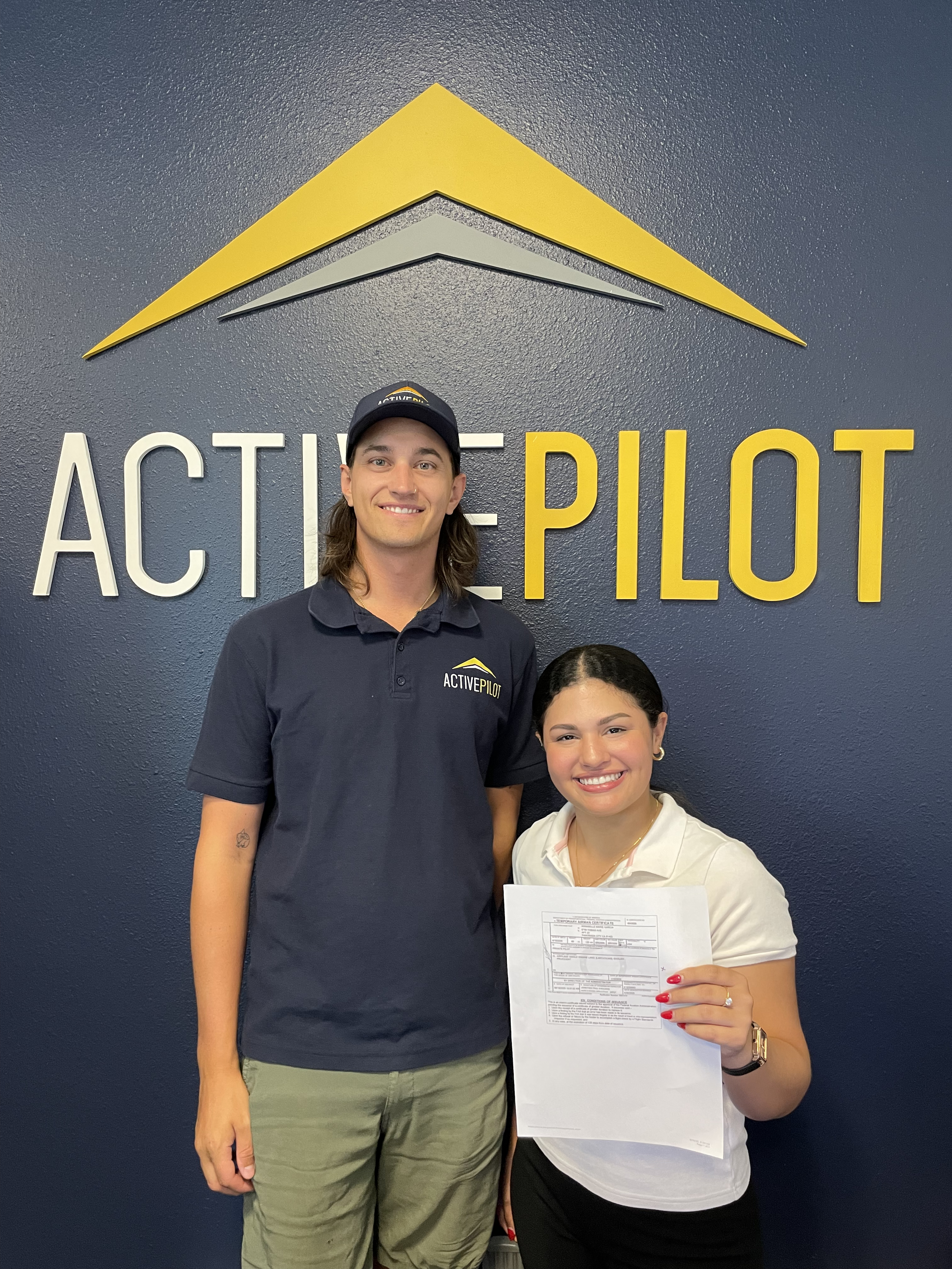
Under Federal Aviation Administration (FAA) regulations, you can begin taking dual flight lessons without holding a pilot certificate. However, the moment you fly solo, you must have two physical documents in your possession: a Student Pilot Certificate and a valid FAA Medical Certificate.
These documents serve different purposes. The Student Pilot Certificate is your legal pilot credential, certifying that you meet the basic eligibility and TSA vetting requirements to operate an aircraft. The Medical Certificate is your health clearance, proving that you meet the FAA’s physical standards to fly safely.
If you are pursuing a Private Pilot License, clearing these milestones early is the best way to prevent delays. If you wait until you are aerodynamically ready to solo before applying, you may have to wait weeks for FAA processing, forcing you to pay for extra proficiency flights just to keep your skills sharp.
Applying for Your FAA Student Pilot Certificate: The IACRA Submission Process
Applying for your Student Pilot Certificate is done entirely online through the FAA’s Integrated Airman Certification and Rating Application (IACRA) portal. There is no FAA written exam or flight test required to obtain this initial certificate.
We guide you through this process during your first week of training. The steps are simple:
- Register an Account: Create an applicant profile on the official IACRA portal.
- Start a New Application: Select “Pilot” and start an application for a Student Pilot Certificate.
- Meet with Your Instructor: Your FAA-certified flight instructor (CFI) must log into IACRA to verify your identity, check your government-issued ID, and sign off as the recommending instructor.
- FAA Processing: The application is electronically submitted to the Airman Certification Branch. You will receive a temporary certificate via email, followed by your permanent plastic card in the mail.
Because the TSA must vet all applicants before the FAA issues the certificate, this process typically takes three to four weeks. We recommend starting your IACRA application immediately after your initial Discovery Flight to ensure the paperwork is complete long before you are ready to fly solo.
Clearing the Medical Hurdle: Navigating MedXPress and the AME Appointment
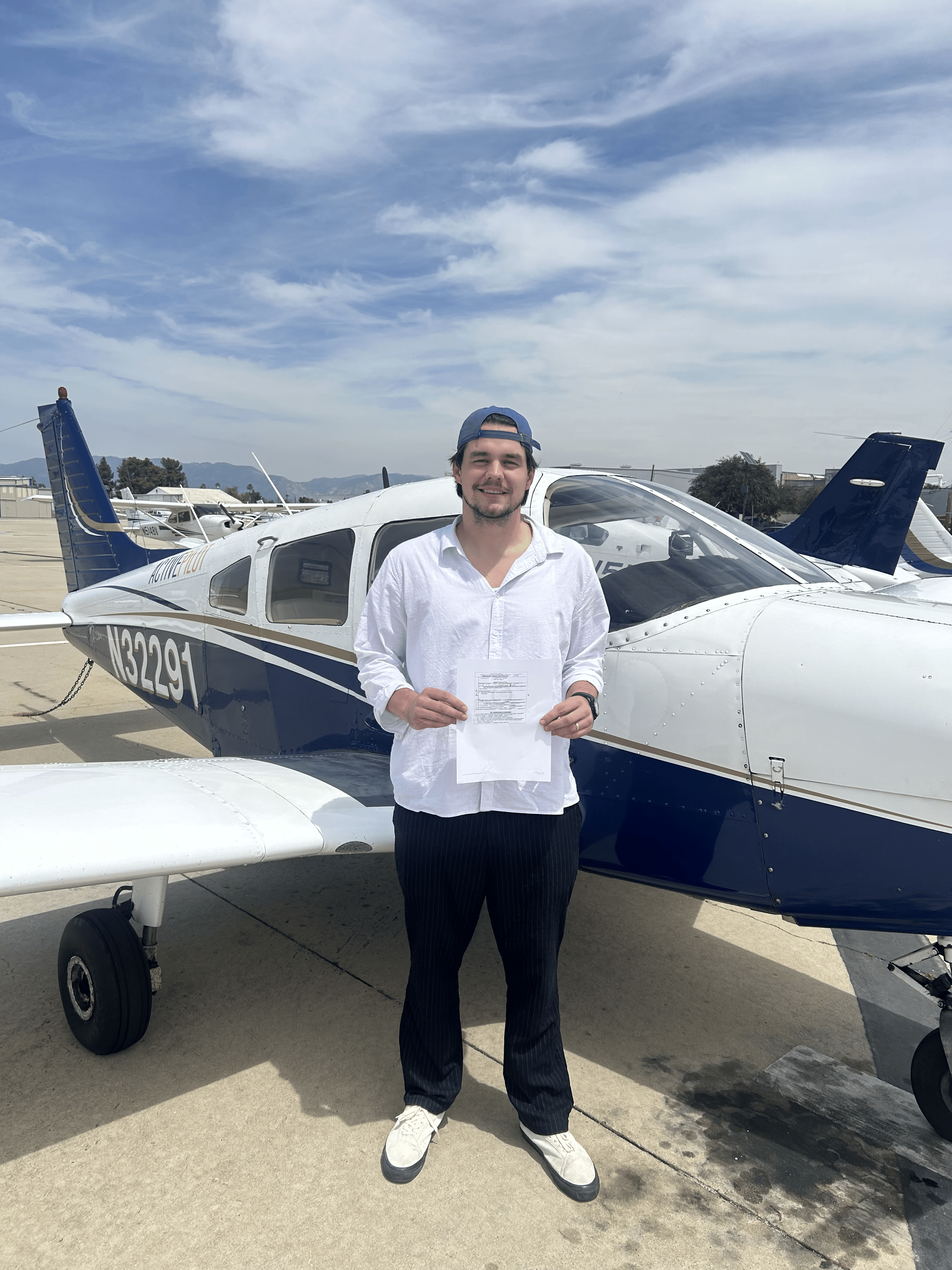
Your FAA Medical Certificate is issued after a physical examination by an authorized Aviation Medical Examiner (AME). An AME is an FAA-designated physician trained to evaluate a pilot’s physical and mental fitness.
To obtain your medical certificate, follow this structured process:
- Complete MedXPress: Before booking your medical exam, you must fill out the medical history questionnaire on the FAA’s MedXPress system. Be thorough and honest about your medical history, as your AME will review this form during your appointment.
- Locate a Local AME: Find an authorized examiner in the Los Angeles area. Our team can direct you to trusted local AMEs who understand the onboarding needs of student pilots.
- Attend the Medical Exam: The physical exam includes basic assessments of vision (including color vision), hearing, blood pressure, coordination, and general health.
- Receive Your Certificate: If you meet the standards, the AME will print and sign your medical certificate at the end of the appointment.
FAA Medical Classes Explained: Which Certificate Fits Your Aviation Goal?
The FAA issues three distinct classes of medical certificates, each with its own physical standards and operating privileges. Choosing the right class before you schedule your exam prevents wasted money and aligns with your career path:
| Medical Class | Target Pilot and Career Goals | Inclusions and Privileges | Duration (Under 40) | Duration (Over 40) |
|---|---|---|---|---|
| First-Class | Career pilots aiming for major airlines (ATP privileges) | Highest physical standards, EKG testing (over 35) | 12 calendar months | 6 calendar months |
| Second-Class | Commercial pilots, charter captains, and flight instructors | Commercial privileges, flight instruction | 60 calendar months | 24 calendar months |
| Third-Class | Private pilots, recreational flyers, and soloing students | Solo flight, private pilot passenger operations | 60 calendar months | 24 calendar months |
If your goal is a professional career, we recommend applying for a First-Class Medical Certificate on your very first exam. While a Third-Class is sufficient to solo and earn your private pilot certificate, you do not want to invest thousands of dollars in training only to discover later that you cannot meet the strict physical standards required to fly commercial aircraft.
If you are training strictly for personal travel or recreation, a Third-Class Medical Certificate is the correct target. New student pilots must secure a traditional FAA medical certificate before they can fly solo; programs like BasicMed are only available if you have previously held a valid FAA medical certificate at some point.
Overcoming Medical Anxiety: Resolving Objections and Common Disqualifications
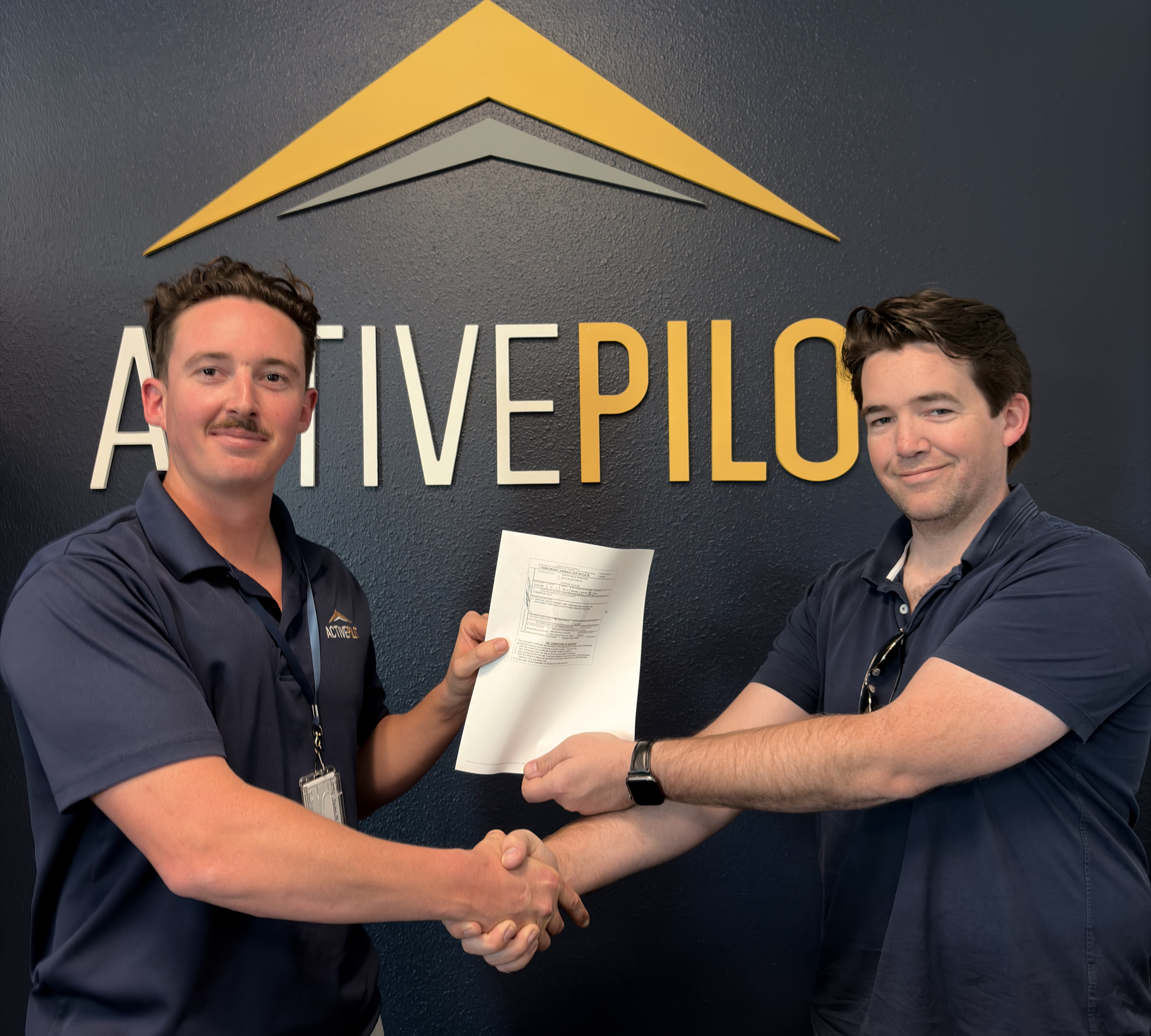
Many aspiring pilots feel intense anxiety before their medical exam, worrying that wearing glasses, having a history of childhood asthma, or taking common medications will automatically disqualify them from flying.
This fear is almost always unfounded. The FAA’s medical standards are built to ensure safety, not to prevent passionate people from flying.
- Corrective Lenses: Wearing glasses or contact lenses is perfectly fine. The AME will simply note on your medical certificate that you must wear corrective lenses while exercising pilot privileges.
- Special Issuances: If you have a history of a disqualifying condition, you are rarely rejected outright. The FAA frequently grants a Special Issuance (SI), allowing you to fly after providing documentation showing your condition is well-managed and does not impact flight safety.
- Medication Safety: While certain medications are restricted, many common prescriptions are fully approved. Speak with your AME or our team before your exam to verify which medications are safe for flight.
Structured Onboarding Support: How We Guide You from Discovery Flight to Solo
At ActivePILOT, we do not expect you to navigate the FAA bureaucracy alone. From the moment you enroll, we provide structured onboarding support to keep your training on track.
We assist you in setting up your IACRA profile, walk you through the MedXPress questionnaire, and introduce you to local Aviation Medical Examiners. We also provide clear financing resources through partners like Stratus Financial and AOPA Finance, allowing you to fund your training with structured, predictable payments on our financing page.
Our goal is to handle the administrative details seamlessly, allowing you to focus entirely on building your flight skills and preparing for that unforgettable moment when you fly solo for the first time.
Ready to Start Your Flying Journey?
The path to your first solo flight starts with a single step. By getting your Student Pilot Certificate and FAA Medical out of the way early, you remove the primary regulatory hurdles standing between you and the skies.
If you are ready to start flight training or have questions about the onboarding process at Van Nuys Airport, we are here to help.
Request information from ActivePILOT today to discuss scheduling, program options, and your path to solo flight.
.CCh9zi8h_Zkhw5v.webp)
.C-Efj3b8_Z2w6RFH.webp)
.CbLPZiMB_Z2HPxB.webp)


